
F A M O U S E X A M P L E S
Artists (alphabetical order):
MANY THANKS AND BIG HUGS TO ALL THE INTERNAUTES WHO KINDLY WROTE TO ME TO MENTION ALBUMS LISTED HERE (SEVERAL OF THEM). YOU GREATLY CONTRIBUTED TO BUILD UP THIS WEBPAGE!
Enya
"Watermark" (WEA ©1988 / 243875-2)
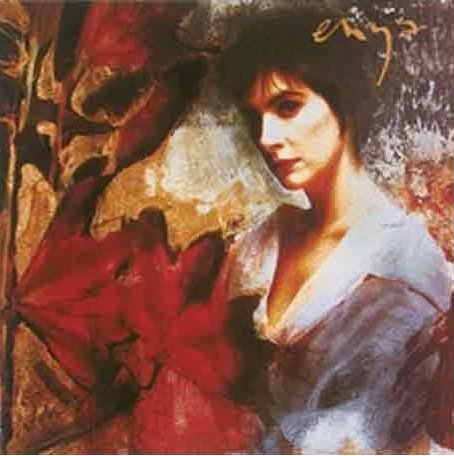
One of the most known example is the Internal 44 "Pizzagogo" factory preset use on the Enya's "Orinoco Flow" (Track 7) top hit. The large pizzicato strings section you can hear during almost all the song is effectively the mentioned D-50 patch:

Paula Abdul "Forever Your Girl" (Virgin ©1988 - CD SRN 19)
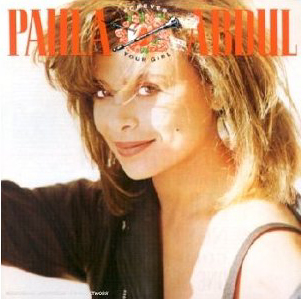
Another D-50 factory preset (Internal 33 "Slap Brass") has been used as a lead synbrass sound on the 1988 Paula Abdul's top hit "Straight Up" (Track 7):
ABWH "An Evening Of Yes Music Plus..." (Fragile Records Limited ©1993 - CDFRL002)
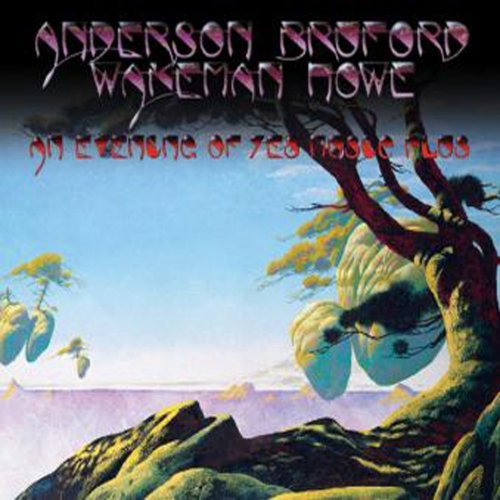
This is the 2 CDs live tour from ABWH (end of 80's Yes first generation return) album. They also played on it some of their 70's songs. Rick Wakeman used a Roland D-50 jointly with a Korg T3 and an Ensoniq VFX (among other material) during this tour. Each musician also performed during this concert a solo song. Rick played a medley including the "Catherine Parr" song (CD1 - Track 4). He used the D-50 Internal 16 "Living Calliope" factory preset for a very impressive virtuoso solo line:
Michael Jackson "Bad" (Epic ©1987 - EK 40600)
I read several articles mentioning that the Roland D-50 has been considerably used on this Michael Jackson's album for pads and background sounds.
Intro from "Man In The Mirror" (Track 7) uses the Internal 84 "Afterthought" factory preset:
Background pad with breathy percussive spectral attack from "I Just Can't Stop Loving You" song (Track 8 - Verse 2) is the Internal 87 "Future Pad" factory preset (listen carefully, it's very discrete...):
I also placed in the past an example mentioning "Dirty Diana" (Track 9) intro using a Roland D-50. That's not true. According to a Rory Kaplan (MJ's keyboardist) post in a dedicated forum (Rorysk1 - 19th February 2020 post), the introduction of "Dirty Diana" has been played (and programmed) by Chris Currell on a Synclavier.
Michael Jackson "Dangerous" (Epic ©1991 - EPC 465802 2)
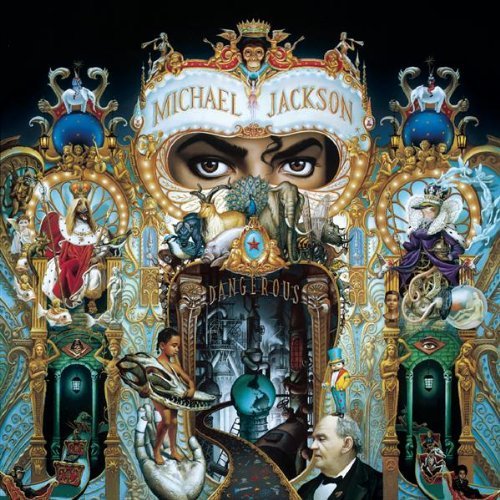
According to a Teddy Riley interview, the rhythmic soft brass hit used in "Remember The Time" (Track 5) is the Internal 45 "Flutish Brass" factory preset patch. You can hear it during the bridge part (I used the instrumental version for an easier identification - Roland D-70 has also been used for this song):
Jean Michel Jarre "Révolutions" (Disques Dreyfus ©1988 / 837 421-1)
Certainly one of the best reference for D-50 users: JMJ simply used that synth for over 80% of this album. Here are just some examples:
- "Révolution industrielle: Ouverture" (Track 1): you can clearly hear a modified version of the Geerdes Volume 1 84 "Machine Run" patch as rythmic loop FX in the introduction. Orchestral strings are played using PA-Decoder Volume I (Side 2) 41 "ORCHESTER PHILAMON" patch:
Roland PN-D50-01 63 "Griitttarr 2" patch is used as a lead sound:
- "Révolution industrielle: Part 1" (Track 2): Michael Hotop's SoundSet 8 patches 27 "YAMATANO OROCHI" and 71 "--KOKUBOSTRINGS--" have been used in this part. The first one during the introduction as a strange FX (background solo line have been certainly played with the Roland PN-D50-01 46 "Squeeze de Sax" patch):
The second one as a rythmic strings section for the end of this song:
- "Révolution industrielle: Part 2" (Track 3): Leister Volume 3 patch 61 "Analog Chop" is used for a complex sequenced line:
- "Révolution industrielle: Part 3" (Track 4): PA-Decoder Volume I (Side 1) patch 21 "ATARI 1040 ST 5" is used as a special FX to close the song (0'09''):
- "Computer Week-End " (Track 8): EMC Volume 1 patch 31 "Ocean Scenario" is used as a voicey lead sound with plucked attack. Michael Hotop's SoundSet 8 patch 71 "--KOKUBOSTRINGS--" is used as the rythmic strings section comping part:
- "September " (Track 9): PA-Decoder Volume III (Side 2) patch 41 "ANALOG 01" is used as a lead sound:
Jean Michel Jarre "En Attendant Cousteau" (Disques Dreyfus ©1990 / 843-614-2)
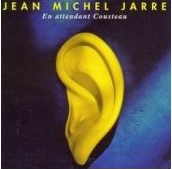
Another JMJ album where are appearing some D-50 sounds.
Roland PN-D50-04 81 "Marshy Zone" patch has been used in "Calypso Part 2" (Track 2) as the introduction special oceanic FX. It is then enhanced (0'07'') with the Metra Sound "Standards" (H. Maass) 75 "Rubicon" patch:
Michel Jonasz "La Fabuleuse Histoire de Mr.Swing" (WEA ©1988 - 242-338/1)
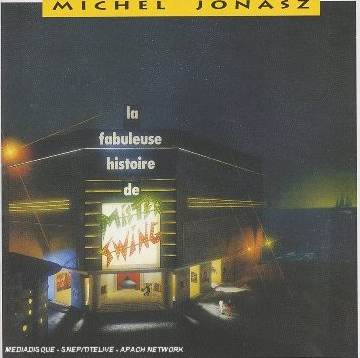
A 2 CDs live album recorded by french singer Michel Jonasz in 1988. It gathers only original songs written especially for this spectacle. Stéphane Montanaro and Larry Cohn were both keyboardists on stage. They worked during three months with Michel Jonasz before the tour began in such a way to elaborate all musical arrangements. They principally used Roland D-50 and Yamaha DX7 synthesizers on this album, sometimes mixing both together.
You can hear the Internal 31 "Breathy Chiffer" factory preset as a flutey background sound during 1st verse of the "Mister Swing" (CD1 - Track 2) song (0'02'', 0'06'', 0'15'', 0'21'', 0'25'' & 0'29''):
In the same song, you also have in the middle part a solo line played with the Internal 52 "Hollowed Harp" factory preset mixed with a DX7 brass sound:
"Le Temps Passé" (CD2 - Track 2) includes another good example of the Internal 44 "Pizzagogo" sound use. You can also hear the Roland PN-D50-01 28 "Pulse Pad" patch as a large pulsey pad in the beginning of the piano solo part (0'28''):
The Internal 14 "Arco Strings" bowed strings section has been used during the introduction of "A Chaque Saison Qui Passe" (CD2 - Track 5):
Chicago "19" (Reprise Records ©1988 / 9 25714-2)
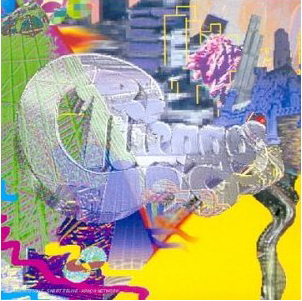
An agreable pop/funk album as Chicago knows to do it (with, as always, some great ballads too). D-50 has been largely used here - essentially for electric pianos and soft background pads. You can for example here the Bo Tomlyn's "Top 40" patch 52 "OB A-3 Pad" during the introduction of "I Don't Wanna Live Without Your Love" (Track 2):
Miles Davis "Amandla" (Warner ©1989 / 925 873-2 )
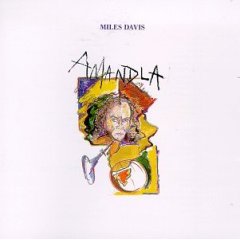
Marcus Miller (one of the principal keyboards programmer from this Miles' album) used the D-50 for some songs. For example, you can hear the Internal 21 "DigitalNativeDance" factory preset during 9 seconds as the pad background+rythmic loop FX in the introduction of "Catembé" (Track 1):
"Nikita" Soundtrack by Eric Serra (Gaumont/Virgin ©1990 - 70732)
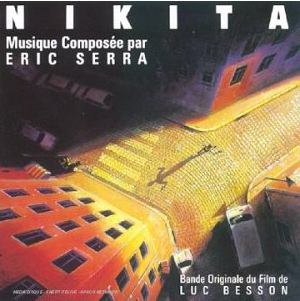
Eric Serra used several synths, samplers and drum machines on this Luc Besson's film soundtrack. You can hear the D-50 Internal 11 "Fantasia" factory preset as the belly pad intro of "Rico's Gang Suicide" (Track 1):
Dave & Don Grusin "Sticks And Stones" (GRP ©1988 /GR-1051)
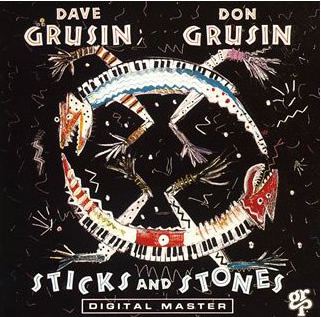
Even if this cool Jazz/Funk album essentially sounds Yamaha DX7, Dave & Don used a D-50, notably the Roland PN-D50-01 58 "Wabi Sabi" patch for a solo line in "Sailing At Night" (Track 3):
Pet Shop Boys "Introspective" (Parlophone ©1988 - CDPCS 7325)

The famous british Synth-pop group used a D-50 for this album. For example, you can recognize a modified version from Internal 21 "DigitalNativeDance" patch (loops have been muted) during the "Always In My Mind/In My House" (Track 5) song:
Seal (ZTT Records ©1991 / 9031-74557-2)
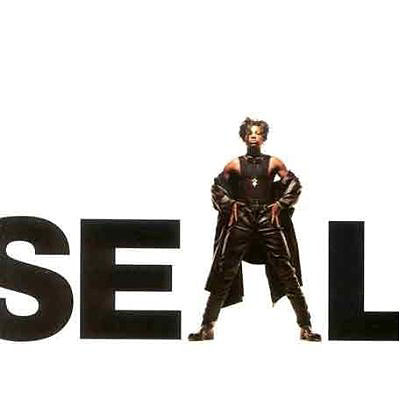
First Seal's album produced by Trevor Horn (ex-Buggles member). If some strings pad seem to have been played with a D-50, you can clearly recognize the PN-D50-01 28 "Pulse Pad" patch during the whole "Violet" (Track 9) song:
Foreigner "Inside Information" (Atlantic ©1987 / 781 808-1)
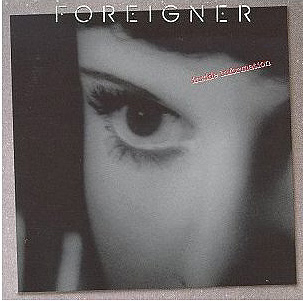
I read articles mentioning that Foreigner used a D-50 on this album. You can recognize the Internal 61 "Staccato Heaven" patch during the introduction from "Say You Will" (Track 3) song:
They also used the Roland PN-D50-01 28 "Pulse Pad" patch during the introduction from "I Don't Want To Live Without You" (Track 4) song:
OMD "The Best of OMD" (Virgin ©1988 / 208 604-630)
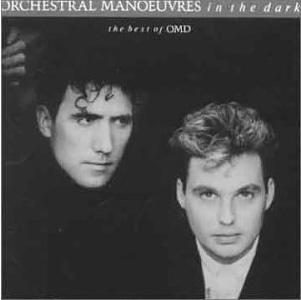
This Orchestral Manoeuvres compilation album included some original new songs. You can clearly recognize the Internal 21 "DigitalNativeDance" attack during the bridge of one of these songs named "Dreaming" (Track 15):
I also think that the harp glissandos you can hear in the introduction and the pizz strings background rythmic in the 2nd verse are D-50 presets.
Gary Numan "Metal Rhythm" (Illegal Records ©1999 - ILPCD 035)
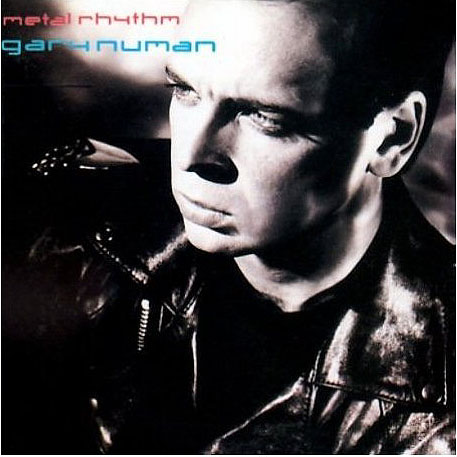
This british synth pop album previously contained ten songs in its 1988 edition. Gary Numan reedited it in 1999 with three more orginal songs and two special remixes added. He largely used the D-50 on it. Here are three examples:
Internal 37 "Soundtrack" patch has been used for the "America" (Track 5) introduction:
You can clearly recognize Internal 61 "Staccato Heaven" factory preset (0'12'') and Michael Hotop's SoundSet 8 patch 27 "YAMATANO OROCHI" (0'03'' & 0'10'') during the "Cold Metal Rhythm" (Track 9) introduction:
And here is another use of the Internal 21 "DigitalNativeDance" patch in the "Children" (Track 12) instrumental song:
Queen "The Miracle" (Parlophone ©1989 / CDP 79 2357 2)

Queen used a D-50 on this album during the song "Breakthru" (Track 6) with the Internal 58 "Rock Organ" patch:
The bells-like sounds in "Was It All Worth It" (Track 10) is a D-50 patch:
Serge Gainsbourg "Le Zénith de Gainsbourg" (Philips ©1989 / 838 162-1)
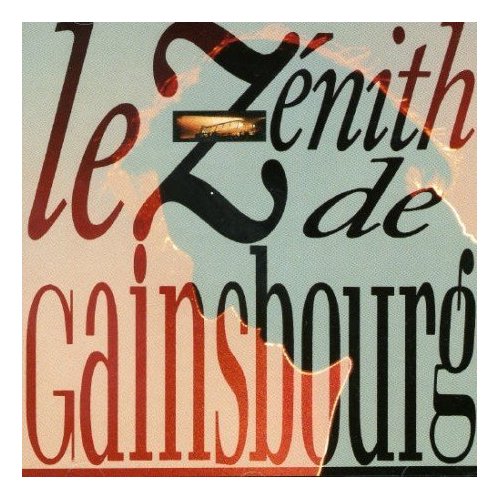
Serge Gainsbourg keyboardist used a Roland D-50 jointly with a Yamaha DX7 (and certainly other material) on this live album recorded at the Zénith (Paris) in 1988. You can for example recognize the Internal 16 "Living Calliope" patch during the "Hey Man Amen" (Track 4) introduction as a subtle background solo line (0'02'' & 0'12''):
The Cars "Door To Door" (Elektra ©1987 / 960 747-2)
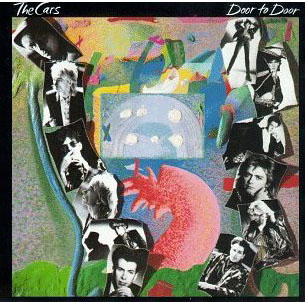
Another great Pop-Rock/New Wave album where the D-50 has been largely used. From the beginning, you can hear again the famous Internal 21 "DigitalNativeDance" and Internal 16 "Living Calliope" factory presets during the introduction of "Leave Or Stay" (Track 1):
Another use is during the "Fine Line" (Track 4) ballad. The organ sound played during all the song is a variation from the Internal 18 "Slow Rotor" patch:
At the beginning and the end from "Go Away" (Track 10) you can clearly recognize a typical D-50 special sound FX:
Erasure "The Innnocents" (Mute ©1988 / cd stumm 55)
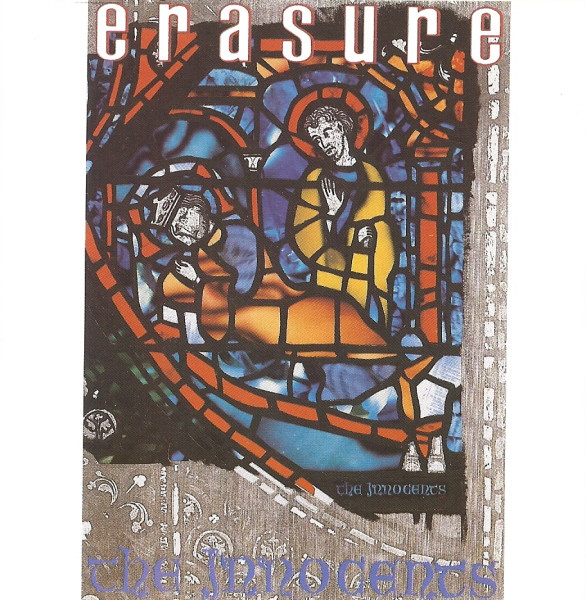
Erasure used a D-50 on this album. You can for example recognize the Internal 77 "OK Chorale" patch during the "Weight Of The World" (Track 11) bridge as a repetitive melodic line. You also have a short apparition from Internal 16 "Living Calliope" patch (0'09''-0'10''):
Prince "Lovesexy" (Paisley Park ©1988 / 925 720-2)
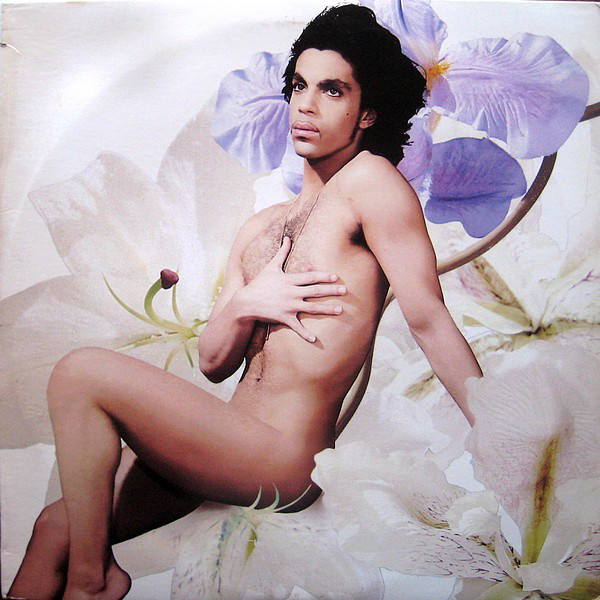
According to the GuitarCloud website, Prince largely used the D-50 on this album. Here are several examples. Internal 37 "Soundtrack" factory preset has been used during the introduction of "I No" (Track 1) song:
Solo sound from "Alphabet St." (Track 2) is played with Internal 52 "Steel Pick" factory preset:
The same song ends with Internal 87 "Future Pad" background pad (listen carefully, it's very discrete) and Internal 58 "Rock Organ" (at 0'13''):
Track 3 "Glam Slam" first verse voice line is doubled with Internal 14 "Arco Strings" factory preset:
The same song ends with a terrific strings section solo part played with the Internal 54 "Jete Strings" factory preset:
"Anna Stesia" (Track 4) song begins with Internal 48 "Piano-Fifty" acoustic piano sound:
The same song also includes the Internal 55 "Stereo Polysynth" factory preset used as a bassline (played on the lower part of the keyboard):
Always during "Anna Stesia", you can recognize the Internal 23 "Flute-Piano Duo" and Internal 54 "Jete Strings" (0'12'') factory presets as melodic lead sounds:
"Lovesexy" (Track 6) intro contains the Internal 44 "Pizzagogo" (high pluckey strings) and Internal 15 "Horn Section" (0'08'') brass riffs:
The same song also includes the Internal 33 "Slap Brass" (played on the lower part of the keyboard) factory preset as a bassline:
Track 9 "Positivity" uses Internal 72 "Syn Marimba" factory preset as rythmic/melodic riffs:
The same song ends with Internal 21 "DigitalNativeDance" and Internal 37 "Soundtrack" factory presets:
Prince "Batman™ - Motion Picture Soundtrack" (Warner Bros. Records ©1989 / 9 25936-2)
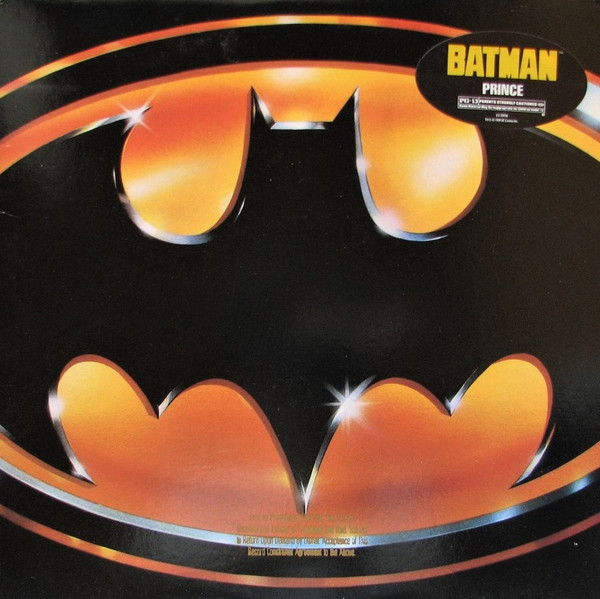
According to the GuitarCloud website, Prince used the D-50 on this album. Here are several examples. Internal 32 "Gamelan Bell" factory preset has been used for the 8 notes melodic line of the introduction from "The Future" (Track 1) song. You can also recognize the Internal 37 "Soundtrack" factory preset (0'14''):
Track 7 "Lemon Crush" uses Internal 72 "Syn Marimba" factory preset as rythmic/sequenced riff during the verse (reappears at 0'08''):
Track 8 "Scandalous" begins with 4 hits from the Internal 62 "Oriental Bells" factory preset:
Mike Francis "Flashes Of Life" (Galaxis ©1988 - GLX 9083)
Mike Francis is an italian Pop/Dance singer who is known for his 1982 top hit "Survivor". He largely used D-50 factory presets on his 1988 album "Flahses Of Life". You can for example clearly recognize the Internal 37 "Soundtrack" patch (among a lot of other D-50 sounds) during the instrumental break from "Don't Start Givin' Up" (Track 2):
The rythmic comping pad played during "I Don't Care" (Track 8) is the Internal 27 "Nylon Atmosphere" patch:
808 State "Quadrastate" (Creed Records ©1989 - State 004)
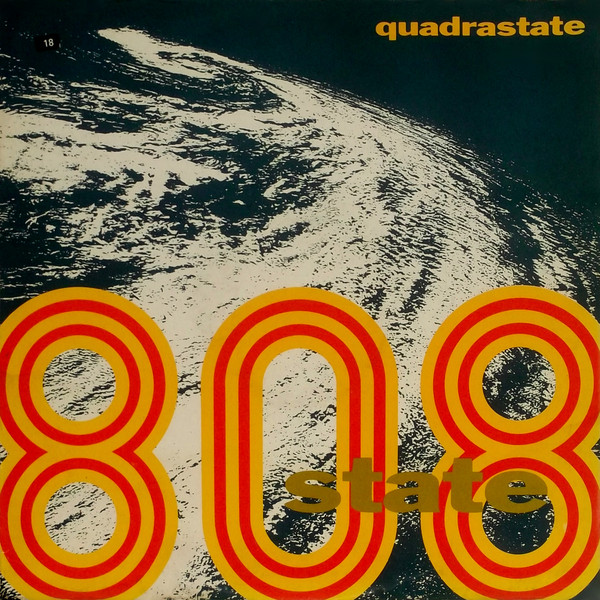
This english electronic music group used a Roland Juno-106 sound combined with the Roland PN-D50-01 14 "Warm Strings" patch for their iconic "Pacific State" (Track 1) hypnotic four chords pad:
808 State "90" (ZTT ©1989 - 246 461-2)

According to a Graham Massey 2008 interview, they used a Roland D-50 for this album too, particularly on the "Donkey Doctor" (Track 5) song. The dark aerial voicey background melodic line and the portamento metallic lead sound (0'22'') you can hear during this sample are D-50 patches (bass sound is a Roland Juno-106):
"We're using the Roland D-50 for a lot for melody lines, just because it had this glassy quality that would float over the dense rhythm stuff. You can hear it on the 90 album, particularly “Donkey Doctor.” (Graham Massey, Future Music, 2008-05)
Rick Astley "Whenever You Need Somebody" (RCA ©1987 / PD 71529)
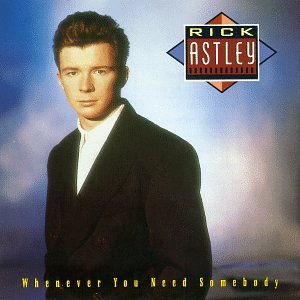
Another use from the Internal 61 "Staccato Heaven" patch is during the Rick Astley "You Move Me" (Track 9) introduction:
Charlelie Couture "Solo Girls" (Columbia ©1988 - 748957 2)
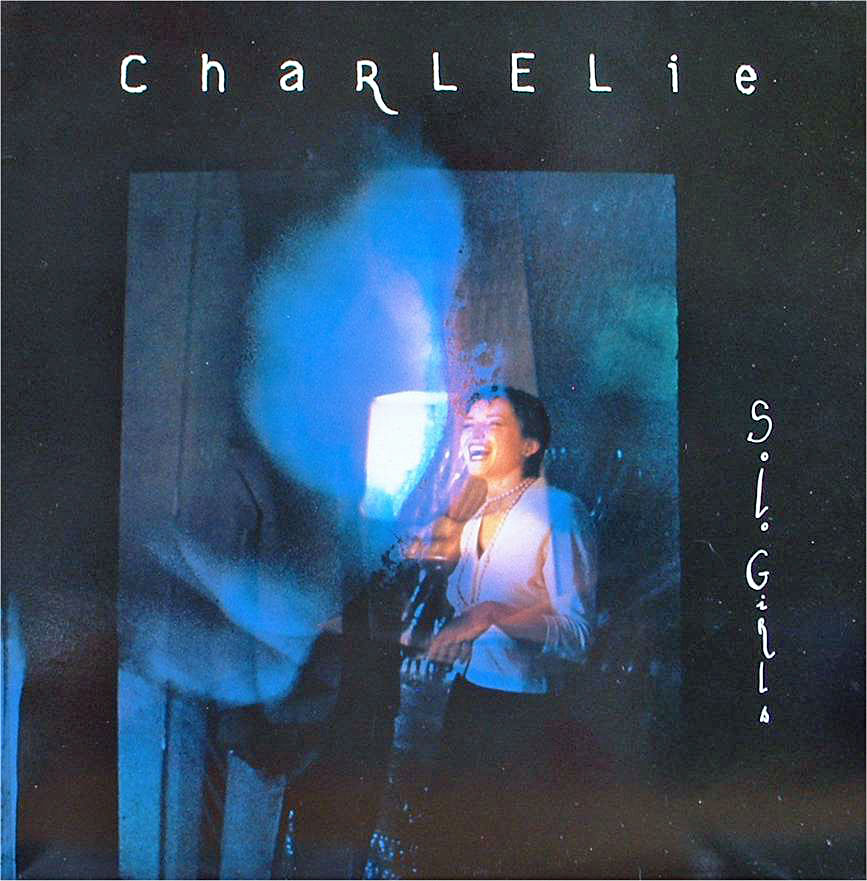
French singer Charlelie Couture used a D-50 on this album. You can hear the Internal 11 "Fantasia" and the Internal 44 "Pizzagogo" patches between verses from the "Aime Moi Encore Au Moins" (Track 9) song:
Pacifique "California" (Vogue ©1990 - 600301)
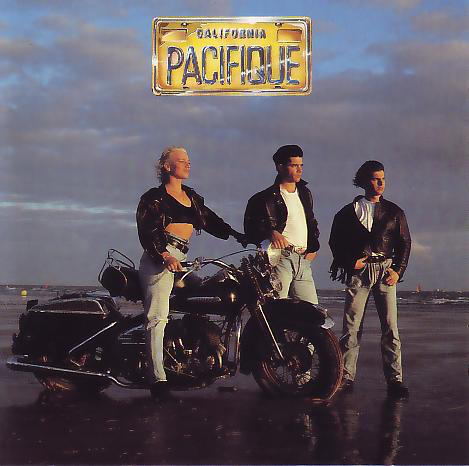
This french group used a D-50 for his late 80's top hit single "Quand Tu Sers Mon Corps" (Track 4). You can clearly recognize the Internal 27 "Nylon Atmosphere" patch during the introduction:
They also played the Internal 61 "Staccato Heaven" patch as a melodic line during the bridge:
Mylène Farmer "Ainsi Soit Je" (Polydor ©1988 / 835 564-2)
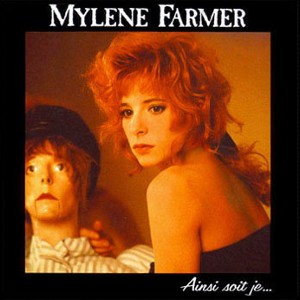
One more use of the famous Internal 21 "DigitalNativeDance" factory preset during the introduction of the "Allan" (Track 3) song from this Mylène's album:
Patrick Bruel "Alors Regarde" (RCA ©1989 - PD 74248)
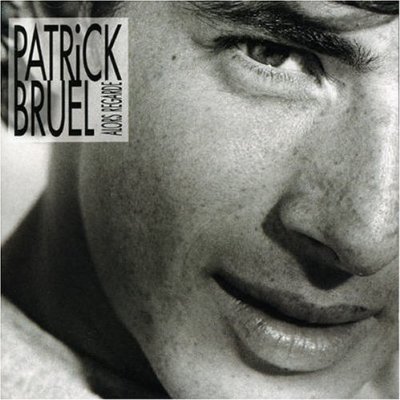
A subtle short apparition of the Internal 67 "Choir" factory preset during the introduction of the "Dors" (Track 9) song from this Patrick's album. You can then clearly recognize the Internal 45 "Flutish Brass" factory preset as a melodic comping from the 1st verse:
Confetti's "92... Our First Album" (USA Import Music ©1989 - USA CD 10.095)
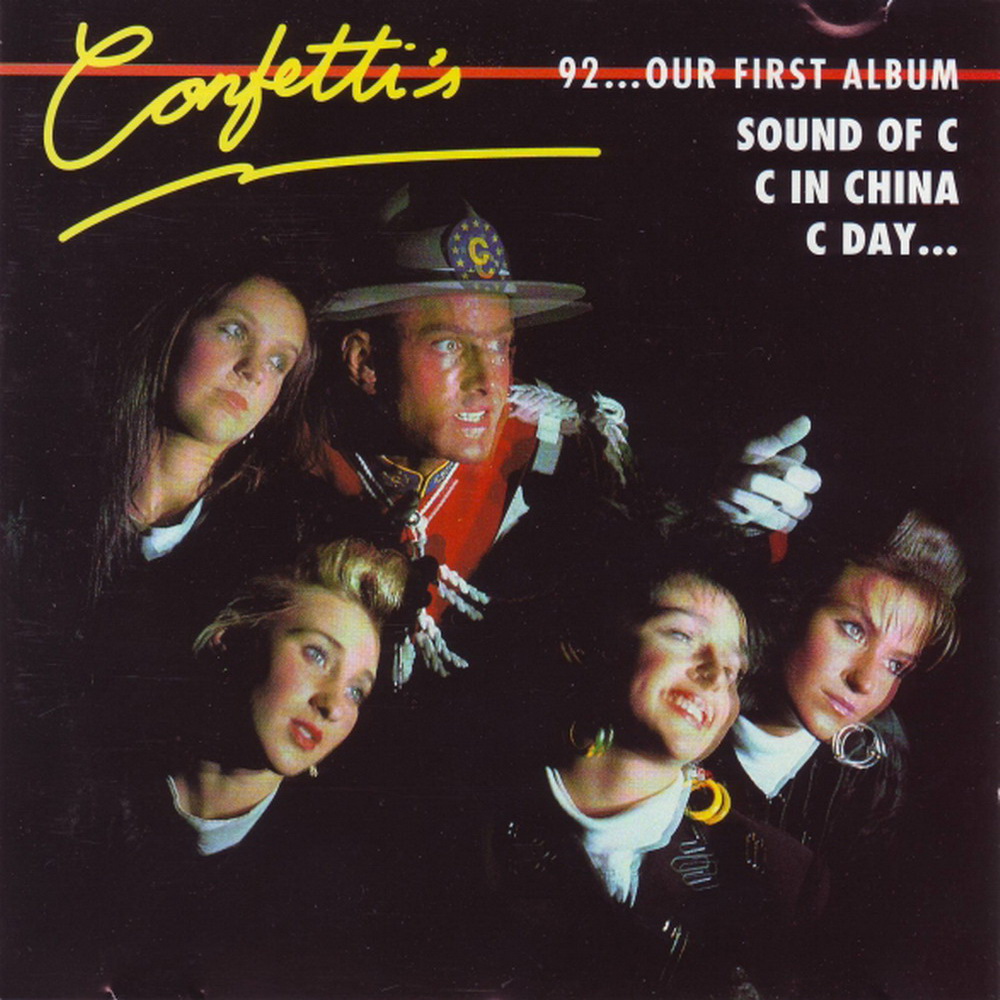
This belgian New Beat group began the "C In China" song (Track 1) with the Internal 56 "Tine Wave" factory preset (with a delay FX added):
Johnny Hallyday "Cadillac" (Mercury ©1989 - 838 497-2)
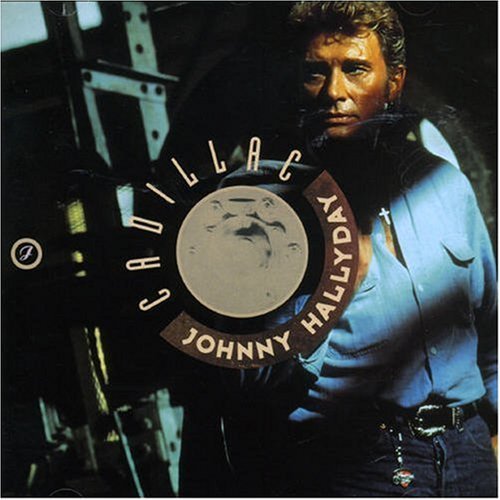
The famous french rockstar used a D-50 on this album. You can for example hear the Internal 66 "Shakuhachi" factory preset as a solo sound during the "Mirador" (Track 2) song:
They also played the Internal 14 "Arco Strings" factory preset as a strings section comping during the same song:
David Lee Roth "Skyscraper" (Warner Bros ©1988 / 925 671-1)
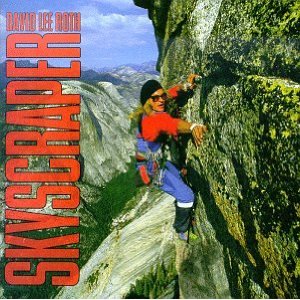
This american rocker used a D-50 on this album. Introduction from "Skyscraper" (Track 4) song contains several D-50 synthetic FXs including among others the famous Internal 21 "DigitalNativeDance" factory preset (0'19''):
New Order "Technique" (Factory ©1989 - 30678)
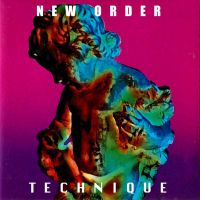
A good electro pop album where you can recognize a typical D-50 belly pad sound (certainly the Internal 11 "Fantasia") during the "Vanishing Point" (Track 8) break:
The Art Of Noise "In No Sense? Nonsense!" (Chrysalis ©1987 - VK 41570)
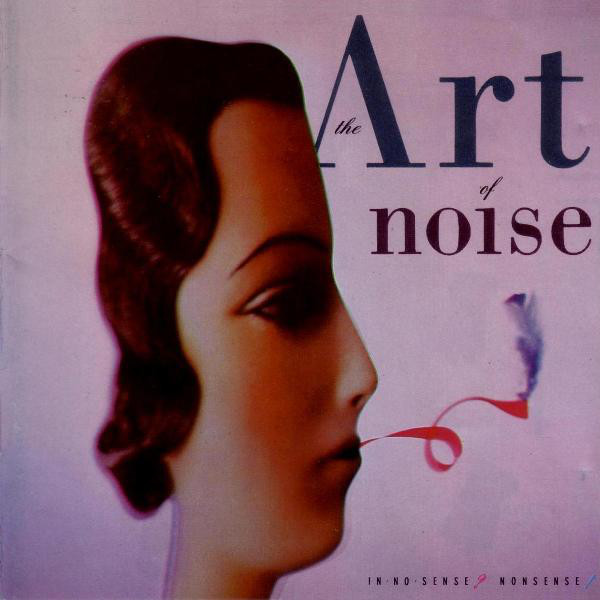
A discrete but good use of the Internal 77 "O K Chorale" factory preset as backing chords during the "Ode To Don Jose" (Track 9) song:
George Michael "Faith" (Epic ©1987 - 460000 2)
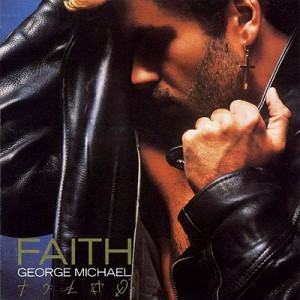
Roland PN-D50-01 58 "Wabi Sabi" patch - perhaps doubled with the Internal 14 "Arco Strings" low register sound - has been used at the beginning and at the end of the "Father Figure" (Track 2) song:
Piano arpeggios background during the verses are played with the Internal 48 "Piano-Fifty" patch:
I also placed in the past an example mentioning "Faith" (Track 1) intro using a Roland D-50. It must be verified. According to a Chris Porter ("Faith" album sound engineer) interview published in SOS issue, the introduction of "Faith" has been played with a Yamaha DX7 church organ preset.
Eric Clapton "Journeyman" (Reprise Records ©1989 / 926 074-1)
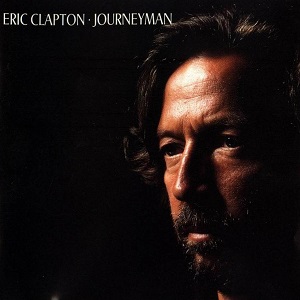
The famous british singer and guitarist also played with a D-50 at the end of the 80's. Internal 77 "O K Chorale" patch has been used for the introduction of the "Bad Love" (Track 3) song:
Tangerine Dream "Canyon Dreams" (Miramar ©1991 / MPCD 2801)
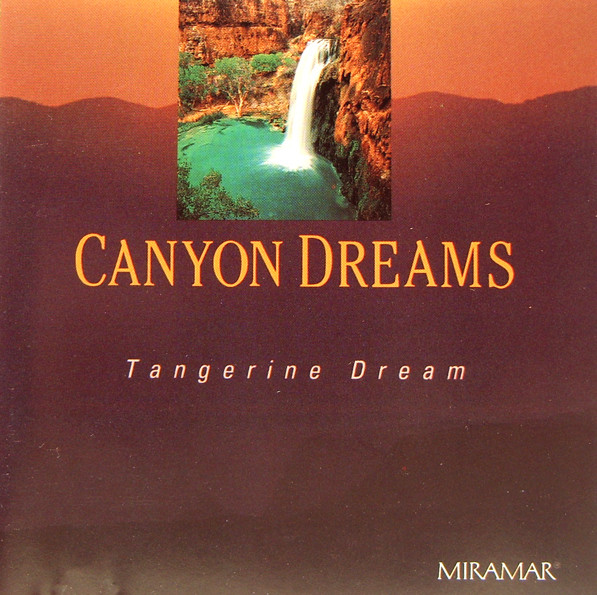
Roland D-50 was largely used on this TD's album recorded on 1986-87 for a scenic video film about Grand Canyon and released on 1991. Here are only a few examples:
The flutish solo sound on "Shadow Flyer" (Track 1) song is played with the Internal 36 "Pipe Solo" factory preset:
At the end of the "Canyon Carver" (Track 2) song, you can hear the beginning of the Internal 21 "DigitalNativeDance" factory preset played as octaves and repeated all 8 beats:
Internal 37 "Soundtrack" patch has been used for the "Water's Gift" (Track 3) introduction and principal pad from whole song:
Internal 11 "Fantasia" factory preset can be heard as a soft bells sound during the "Sudden Revelation" (Track 5) introduction:
3 "...To The Power Of Three" (Geffen Records ©1988 / 9 24181-2)
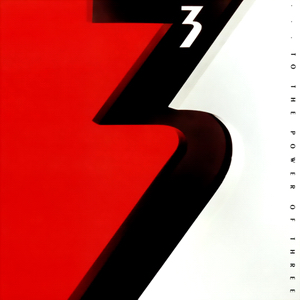
This is the unique album from this progressive rock british group which gathers Robert Berry (lead vocal, guitar, bass) and two ex-ELP Keith Emerson (keyboards) and Carl Palmer (drums). Keith used a lot the D-50 (with other synths) on this opus. You can for example clearly recognize the Internal 21 "DigitalNativeDance" during the first break from "Desde La Vida" (Track 4) song:
Billy Ocean "Tear Down These Walls" (Jive ©1988 - 100.140)
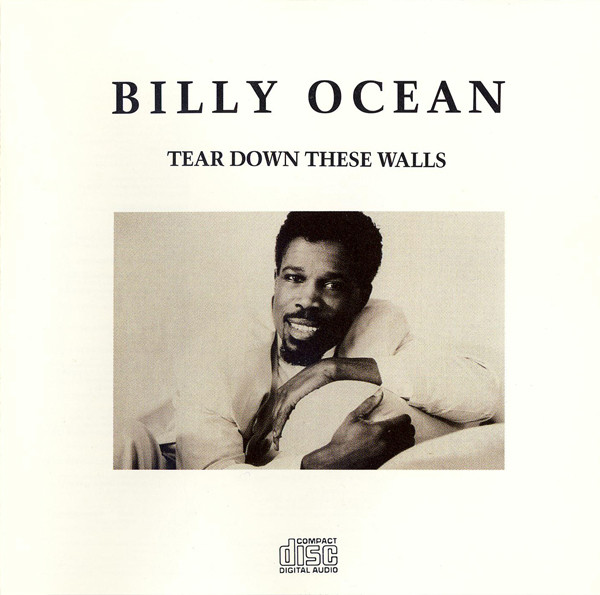
Billy Ocean largely used the D-50 in this album. Introduction from "Gun For Hire" (Track 2) uses several factory patches such as Internal 11 "Fantasia" (0'00''), 21 "DigitalNativeDance" (0'04'') or 15 "Horn Section" (0'18''):
In "Stand And Deliver" (Track 3) Internal 16 "Living Calliope" factory preset is used as a solo line after the chorus and Internal 55 "Stereo Polysynth" factory preset is used as short background stabs during the verses (0'04'', 0'06'', 0'08'',...):
Introduction of "Pleasure" (Track 8) uses Internal 15 "Horn Section" as brass interventions and 21 "DigitalNativeDance" (0'04'' & 0'13'') patches:
Ziggy Marley & The Melody Makers "One Bright Day" (Virgin ©1989 / 7 91256-2)
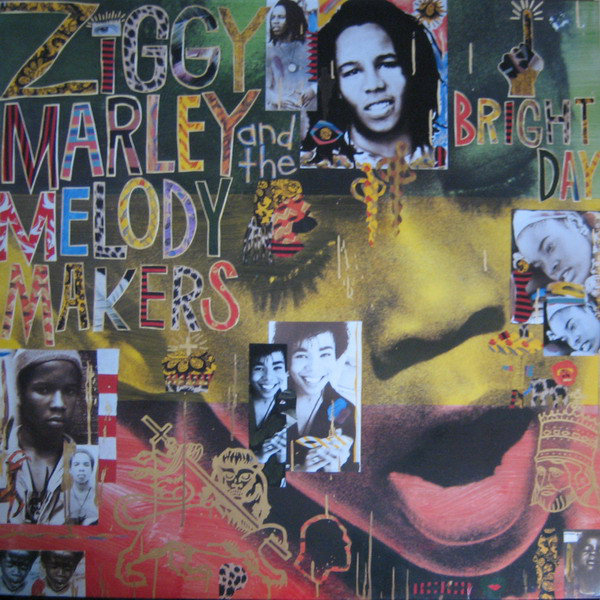
D-50 was also used for Reggae! Bob Marley's son used it on this album (with a DX7). You can for example recognize the Internal 56 "Tine Wave" factory preset as a background solo line during the 1st verse of "Pains Of Life" (Track 3) song :
In "When The Lights Gone Out" (Track 5) Internal 35 "Rich Brass" factory preset is used as a background low brass (0'00'', 0'11'',...) and high brass section (0'07''-0'28''):
Phil Collins "...But Seriously" (WEA ©1989 / 256 984-2)
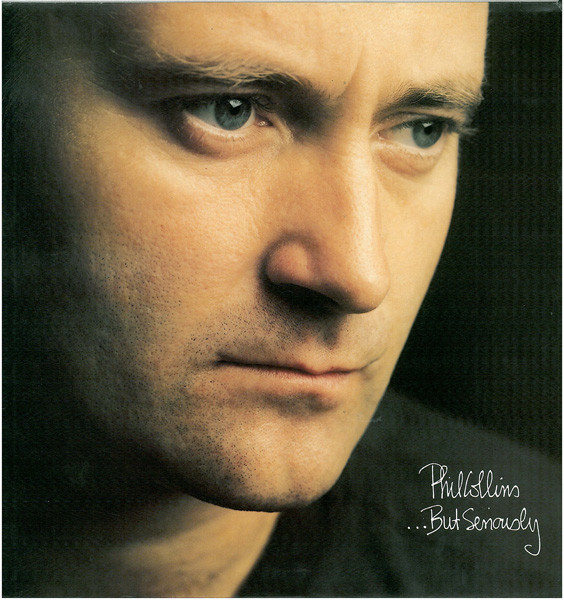
Phil Collins used a D-50 for some synth parts of his album. The introduction of "Another Day In Paradise" (Track 6) begins with a patch which sounds similar to the unknown soundbank "Volume 7" 23 "Phaedra" patch:
The song "That's Just The Way It Is" (Track 2) ends with scottish bagpipes as background sound which is the PN-D50-03 57 "Pipe Bags" patch:
Peter Gabriel "Passion" - "The Last Temptation Of Christ" soundtrack (Real Words Records ©1989 / 353 539-222)

Refering to the CD credits of this Peter's album, he used a Roland D-50 (jointly with a Prophet 5) on the "It Is Accomplished" (Track 20) song. I may think that the tubular bells sound that double the piano theme is a D-50 patch:
Level 42 "Staring At The Sun" (Polydor ©1988 / 837 247-2)
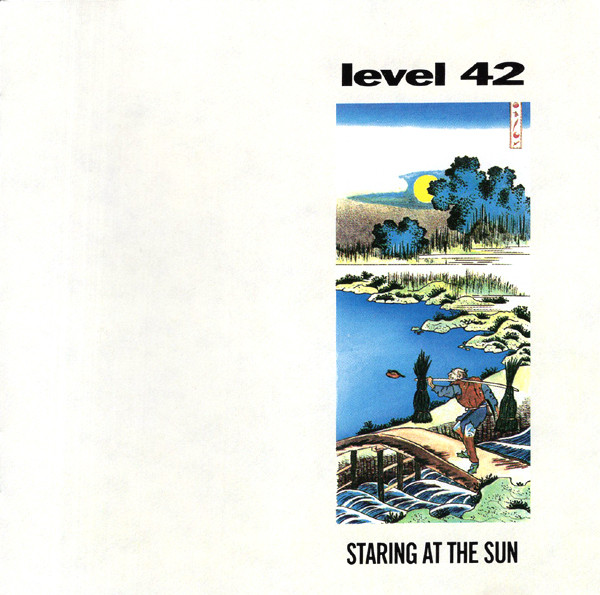
According to a Mike Lindup interview on the YouTube RolandChannel, he used the D-50 for the following songs:
- "Two Hearts Collide" (Track 8) begins with a sweep spacey background pad (0'02'') which is certainly a D-50 patch
- "Man" (Track 9) contains a break where you can hear a typical D-50 high belly sound:
- "Gresham Blues" (Track 10) begins with a dark voicey background pad that really sounds D-50:
Bankstatement "Bankstatement" (Virgin ©1989 / 260 071-222)

According to a Tony Banks (Genesis) interview in the Sound On Sound issue (September 1989), he used the D-50 for the following songs during the recording session of this Tony's personal project:
- "Big Man" (Track 7) - The dark analog voicey background solo sound you can hear during 15 seconds at the end of this song is a D-50 patch.
"The end of that track uses a D50 sound, an original preset. " (Tony Banks, SOS, 1989-09)
- "A House Needs A Roof" (Track 8) - The analog brassy sound you can hear as a short solo line is a D-50 patch (certainly partially used with the "Chase" option):
"The solo sound is a D50 preset which I modified a bit; they originally called it 'Trombone' I think. I found it a nice lightweight lead sound. You could play quite fast with it." (Tony Banks, SOS, 1989-09)
- "Diamonds Aren't So Hard" (Track 10) - The aerial lead sound you can hear during 4 seconds into this short break is a D-50 patch:
"The legato phrase which comes towards the end of the song is a D50 sound. I like that instrument for producing ethereal sounds which give a lot of height to a track. The problem with the D50 is that a lot of the sounds are already well known, but it's nice as a background instrument." (Tony Banks, SOS, 1989-09)
The Bangles "Less Than Zero" motion picture soundtrack (CBS ©1987 / 651250 2)
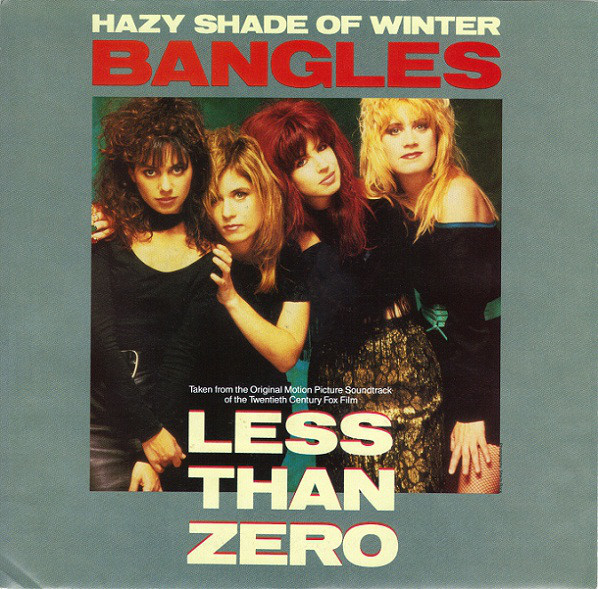
This maxi-single CD from The Bangles includes a title extracted from the "Less Than Zero" motion picture soundtrack: "Hazy Shade Of Winter" (Track 1) begins with a very beautiful spacey mood introduction which really sounds D-50. You can recognize the Internal 11 "Fantasia" belly attack patch as a background pad (0'11'', 0'17'' & 0'23''):
Nick Kamen "Us" (WEA ©1988 / 242 398-2)
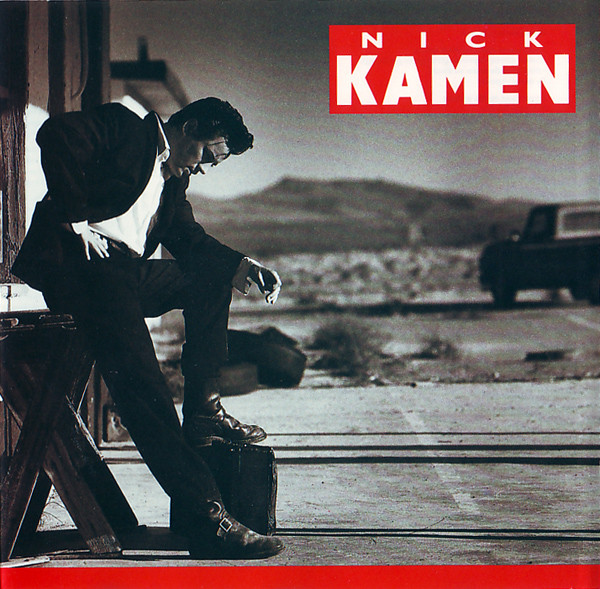
I have no confirmation about it, but it seems to me that the strings section patch used for the introduction of "Bring Me Your Love" (Track 1) sounds really D-50, as the synbrass lead sound (0'17'' & 0'19'') and the belly pad melodic line (0'20''):
The Madness "The Madness" (Virgin ©1988 - CDV 2507)

This famous early 80's british ska group (ONE-STEP-BEYOOOND!!) relaeses in 1988 a Pop/Rock album gathering four members from the original band that splitted in 1986. They used the Internal 16 "Living Calliope" and Internal 58 "Rock Organ" patches for the "Nail Down The Days" (Track 1) song:
Sabrina "Sabrina" (Polydor ©1987 / 835 295-2)
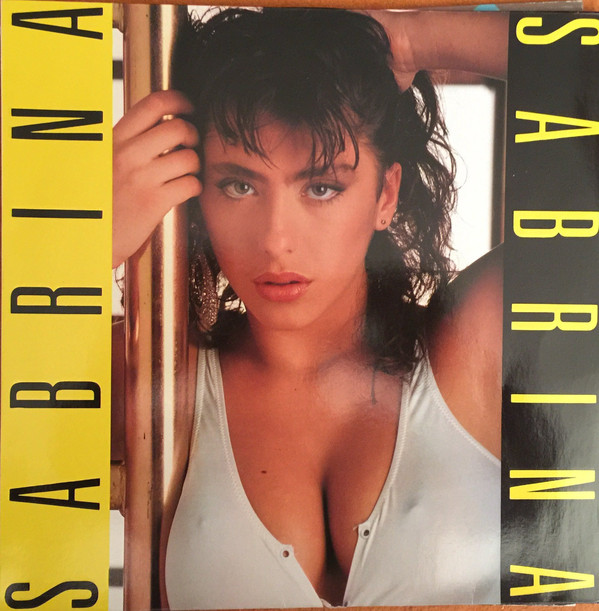
This famous italo dance top hit of the 80's uses the Internal 15 "Horn Section" patch as a lead brass riff:
Taylor Dayne "Tell It To My Heart" (Arista ©1987 / ARCD-8529)
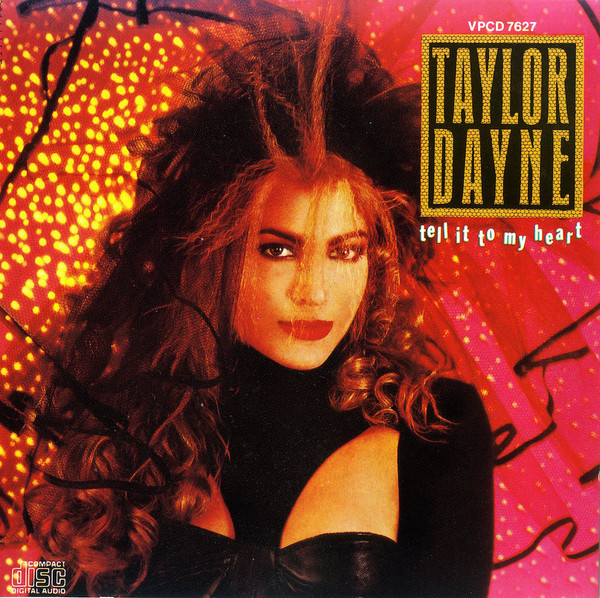
Synbrass sound used during the "Tell It To My Heart" (Track 1) top hit is also the Internal 15 "Horn Section" patch:
Dan Reed Network "Dan Reed Network" (Mercury ©1988 / 834 309-2)

Dan Reed Network is an american rock band. For their eponymous album, keyboardist Blake Sakamoto used a Roland D-50 jointly with a JX-10, an MKS-80, a Yamaha DX7 and samplers E-MU Emulator II and Akaï S900 (according to a Keyboards french issue interview). Here are some examples:
Glassy synvox sound during the bridge of "Ritual" (Track 3) is certainly a D-50 patch:
Brassy patch of "Forgot To Make Her Mine" (Track 4) really sounds D-50:
Strings patch of "I'm So Sorry" (Track 6) is close to the "Arco Strings" or "Jete Strings" factory preload patches:
Track 11 "Rock You All Night Long" ends with the Internal 11 "Fantasia" factory preset:
Klaus Schulze "En=Trance" (Brain ©1988 / 835 158-2)
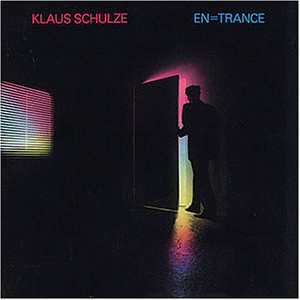
Klaus used a Roland D-50 for this album jointly with a JX-10, an MKS-30, an MKS-80, a Korg DW-8000, a Yamaha DX7II, samplers Roland S-50 and Fairlight and a Korg DVP-1 voice processor (according to the CD booklet). You can recognize the Internal 21 "DigitalNativeDance" factory preset at the beginning of the En=Trance (Track 1) piece. You have at first only the patch attack played as a melodic line and then the rythmic loop (0'18'') as a background FX:
Mariah Carey "Mariah Carey" (CBS ©1990 - 466 815 2)
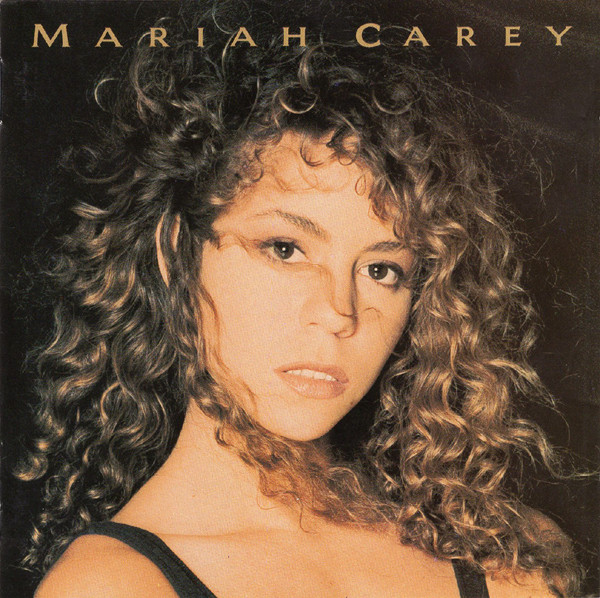
I recently heard again this old Mariah's top hit ("Vision Of Love" - Track 1) extracted from her first album and remarked that the beginning sound is really close to the D-50 Internal 21 "DigitalNativeDance" factory preset (certainly merged with another synth texture). What do you think about it?:
Björk "Debut" (Mother Records ©1993 - 521 323-2)
"La Marche du Siècle" TV credits by David Niles (Antenne 2 ©1987)
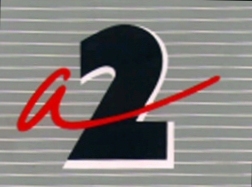
A well known 80's-90's french TV program with a musical credits composed by David Niles. He used a D-50 for it. You can recognize the Internal 11 "Fantasia" factory preset used to play four short notes at the end of the introduction (0'04''). Piano sound used for the main theme has been doubled with Internal 41 "Shamus Theme" factory preset. The strings and brass sections are certainly LA synthesis patches too:
"M6 opening/closing" (M6 ©1987)

M6 french TV channel used an opening/closing jingle at the end of the '80s essentially created with D-50 patches:
"The Simpsons" TV sitcom Danny Elfman's theme (Fox ©1990)
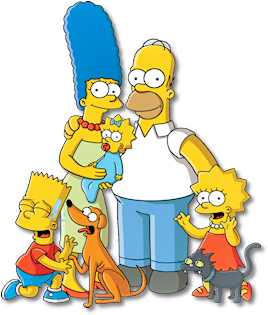
This famous american TV series theme created by Danny Elfman begins with the Internal 17 "D-50 Voices" sound:
One of the most known example is the Internal 44 "Pizzagogo" factory preset use on the Enya's "Orinoco Flow" (Track 7) top hit. The large pizzicato strings section you can hear during almost all the song is effectively the mentioned D-50 patch:
Paula Abdul "Forever Your Girl" (Virgin ©1988 - CD SRN 19)
Another D-50 factory preset (Internal 33 "Slap Brass") has been used as a lead synbrass sound on the 1988 Paula Abdul's top hit "Straight Up" (Track 7):
ABWH "An Evening Of Yes Music Plus..." (Fragile Records Limited ©1993 - CDFRL002)
This is the 2 CDs live tour from ABWH (end of 80's Yes first generation return) album. They also played on it some of their 70's songs. Rick Wakeman used a Roland D-50 jointly with a Korg T3 and an Ensoniq VFX (among other material) during this tour. Each musician also performed during this concert a solo song. Rick played a medley including the "Catherine Parr" song (CD1 - Track 4). He used the D-50 Internal 16 "Living Calliope" factory preset for a very impressive virtuoso solo line:
Michael Jackson "Bad" (Epic ©1987 - EK 40600)
I read several articles mentioning that the Roland D-50 has been considerably used on this Michael Jackson's album for pads and background sounds.
Intro from "Man In The Mirror" (Track 7) uses the Internal 84 "Afterthought" factory preset:
Background pad with breathy percussive spectral attack from "I Just Can't Stop Loving You" song (Track 8 - Verse 2) is the Internal 87 "Future Pad" factory preset (listen carefully, it's very discrete...):
I also placed in the past an example mentioning "Dirty Diana" (Track 9) intro using a Roland D-50. That's not true. According to a Rory Kaplan (MJ's keyboardist) post in a dedicated forum (Rorysk1 - 19th February 2020 post), the introduction of "Dirty Diana" has been played (and programmed) by Chris Currell on a Synclavier.
Michael Jackson "Dangerous" (Epic ©1991 - EPC 465802 2)
According to a Teddy Riley interview, the rhythmic soft brass hit used in "Remember The Time" (Track 5) is the Internal 45 "Flutish Brass" factory preset patch. You can hear it during the bridge part (I used the instrumental version for an easier identification - Roland D-70 has also been used for this song):
Jean Michel Jarre "Révolutions" (Disques Dreyfus ©1988 / 837 421-1)
Certainly one of the best reference for D-50 users: JMJ simply used that synth for over 80% of this album. Here are just some examples:
- "Révolution industrielle: Ouverture" (Track 1): you can clearly hear a modified version of the Geerdes Volume 1 84 "Machine Run" patch as rythmic loop FX in the introduction. Orchestral strings are played using PA-Decoder Volume I (Side 2) 41 "ORCHESTER PHILAMON" patch:
Roland PN-D50-01 63 "Griitttarr 2" patch is used as a lead sound:
- "Révolution industrielle: Part 1" (Track 2): Michael Hotop's SoundSet 8 patches 27 "YAMATANO OROCHI" and 71 "--KOKUBOSTRINGS--" have been used in this part. The first one during the introduction as a strange FX (background solo line have been certainly played with the Roland PN-D50-01 46 "Squeeze de Sax" patch):
The second one as a rythmic strings section for the end of this song:
- "Révolution industrielle: Part 2" (Track 3): Leister Volume 3 patch 61 "Analog Chop" is used for a complex sequenced line:
- "Révolution industrielle: Part 3" (Track 4): PA-Decoder Volume I (Side 1) patch 21 "ATARI 1040 ST 5" is used as a special FX to close the song (0'09''):
- "Computer Week-End " (Track 8): EMC Volume 1 patch 31 "Ocean Scenario" is used as a voicey lead sound with plucked attack. Michael Hotop's SoundSet 8 patch 71 "--KOKUBOSTRINGS--" is used as the rythmic strings section comping part:
- "September " (Track 9): PA-Decoder Volume III (Side 2) patch 41 "ANALOG 01" is used as a lead sound:
Jean Michel Jarre "En Attendant Cousteau" (Disques Dreyfus ©1990 / 843-614-2)
Another JMJ album where are appearing some D-50 sounds.
Roland PN-D50-04 81 "Marshy Zone" patch has been used in "Calypso Part 2" (Track 2) as the introduction special oceanic FX. It is then enhanced (0'07'') with the Metra Sound "Standards" (H. Maass) 75 "Rubicon" patch:
Michel Jonasz "La Fabuleuse Histoire de Mr.Swing" (WEA ©1988 - 242-338/1)
A 2 CDs live album recorded by french singer Michel Jonasz in 1988. It gathers only original songs written especially for this spectacle. Stéphane Montanaro and Larry Cohn were both keyboardists on stage. They worked during three months with Michel Jonasz before the tour began in such a way to elaborate all musical arrangements. They principally used Roland D-50 and Yamaha DX7 synthesizers on this album, sometimes mixing both together.
You can hear the Internal 31 "Breathy Chiffer" factory preset as a flutey background sound during 1st verse of the "Mister Swing" (CD1 - Track 2) song (0'02'', 0'06'', 0'15'', 0'21'', 0'25'' & 0'29''):
In the same song, you also have in the middle part a solo line played with the Internal 52 "Hollowed Harp" factory preset mixed with a DX7 brass sound:
"Le Temps Passé" (CD2 - Track 2) includes another good example of the Internal 44 "Pizzagogo" sound use. You can also hear the Roland PN-D50-01 28 "Pulse Pad" patch as a large pulsey pad in the beginning of the piano solo part (0'28''):
The Internal 14 "Arco Strings" bowed strings section has been used during the introduction of "A Chaque Saison Qui Passe" (CD2 - Track 5):
Chicago "19" (Reprise Records ©1988 / 9 25714-2)
An agreable pop/funk album as Chicago knows to do it (with, as always, some great ballads too). D-50 has been largely used here - essentially for electric pianos and soft background pads. You can for example here the Bo Tomlyn's "Top 40" patch 52 "OB A-3 Pad" during the introduction of "I Don't Wanna Live Without Your Love" (Track 2):
Miles Davis "Amandla" (Warner ©1989 / 925 873-2 )
Marcus Miller (one of the principal keyboards programmer from this Miles' album) used the D-50 for some songs. For example, you can hear the Internal 21 "DigitalNativeDance" factory preset during 9 seconds as the pad background+rythmic loop FX in the introduction of "Catembé" (Track 1):
"Nikita" Soundtrack by Eric Serra (Gaumont/Virgin ©1990 - 70732)
Eric Serra used several synths, samplers and drum machines on this Luc Besson's film soundtrack. You can hear the D-50 Internal 11 "Fantasia" factory preset as the belly pad intro of "Rico's Gang Suicide" (Track 1):
Dave & Don Grusin "Sticks And Stones" (GRP ©1988 /GR-1051)
Even if this cool Jazz/Funk album essentially sounds Yamaha DX7, Dave & Don used a D-50, notably the Roland PN-D50-01 58 "Wabi Sabi" patch for a solo line in "Sailing At Night" (Track 3):
Pet Shop Boys "Introspective" (Parlophone ©1988 - CDPCS 7325)
The famous british Synth-pop group used a D-50 for this album. For example, you can recognize a modified version from Internal 21 "DigitalNativeDance" patch (loops have been muted) during the "Always In My Mind/In My House" (Track 5) song:
Seal (ZTT Records ©1991 / 9031-74557-2)
First Seal's album produced by Trevor Horn (ex-Buggles member). If some strings pad seem to have been played with a D-50, you can clearly recognize the PN-D50-01 28 "Pulse Pad" patch during the whole "Violet" (Track 9) song:
Foreigner "Inside Information" (Atlantic ©1987 / 781 808-1)
I read articles mentioning that Foreigner used a D-50 on this album. You can recognize the Internal 61 "Staccato Heaven" patch during the introduction from "Say You Will" (Track 3) song:
They also used the Roland PN-D50-01 28 "Pulse Pad" patch during the introduction from "I Don't Want To Live Without You" (Track 4) song:
OMD "The Best of OMD" (Virgin ©1988 / 208 604-630)
This Orchestral Manoeuvres compilation album included some original new songs. You can clearly recognize the Internal 21 "DigitalNativeDance" attack during the bridge of one of these songs named "Dreaming" (Track 15):
I also think that the harp glissandos you can hear in the introduction and the pizz strings background rythmic in the 2nd verse are D-50 presets.
Gary Numan "Metal Rhythm" (Illegal Records ©1999 - ILPCD 035)
This british synth pop album previously contained ten songs in its 1988 edition. Gary Numan reedited it in 1999 with three more orginal songs and two special remixes added. He largely used the D-50 on it. Here are three examples:
Internal 37 "Soundtrack" patch has been used for the "America" (Track 5) introduction:
You can clearly recognize Internal 61 "Staccato Heaven" factory preset (0'12'') and Michael Hotop's SoundSet 8 patch 27 "YAMATANO OROCHI" (0'03'' & 0'10'') during the "Cold Metal Rhythm" (Track 9) introduction:
And here is another use of the Internal 21 "DigitalNativeDance" patch in the "Children" (Track 12) instrumental song:
Queen "The Miracle" (Parlophone ©1989 / CDP 79 2357 2)
Queen used a D-50 on this album during the song "Breakthru" (Track 6) with the Internal 58 "Rock Organ" patch:
The bells-like sounds in "Was It All Worth It" (Track 10) is a D-50 patch:
Serge Gainsbourg "Le Zénith de Gainsbourg" (Philips ©1989 / 838 162-1)
Serge Gainsbourg keyboardist used a Roland D-50 jointly with a Yamaha DX7 (and certainly other material) on this live album recorded at the Zénith (Paris) in 1988. You can for example recognize the Internal 16 "Living Calliope" patch during the "Hey Man Amen" (Track 4) introduction as a subtle background solo line (0'02'' & 0'12''):
The Cars "Door To Door" (Elektra ©1987 / 960 747-2)
Another great Pop-Rock/New Wave album where the D-50 has been largely used. From the beginning, you can hear again the famous Internal 21 "DigitalNativeDance" and Internal 16 "Living Calliope" factory presets during the introduction of "Leave Or Stay" (Track 1):
Another use is during the "Fine Line" (Track 4) ballad. The organ sound played during all the song is a variation from the Internal 18 "Slow Rotor" patch:
At the beginning and the end from "Go Away" (Track 10) you can clearly recognize a typical D-50 special sound FX:
Erasure "The Innnocents" (Mute ©1988 / cd stumm 55)
Erasure used a D-50 on this album. You can for example recognize the Internal 77 "OK Chorale" patch during the "Weight Of The World" (Track 11) bridge as a repetitive melodic line. You also have a short apparition from Internal 16 "Living Calliope" patch (0'09''-0'10''):
Prince "Lovesexy" (Paisley Park ©1988 / 925 720-2)
According to the GuitarCloud website, Prince largely used the D-50 on this album. Here are several examples. Internal 37 "Soundtrack" factory preset has been used during the introduction of "I No" (Track 1) song:
Solo sound from "Alphabet St." (Track 2) is played with Internal 52 "Steel Pick" factory preset:
The same song ends with Internal 87 "Future Pad" background pad (listen carefully, it's very discrete) and Internal 58 "Rock Organ" (at 0'13''):
Track 3 "Glam Slam" first verse voice line is doubled with Internal 14 "Arco Strings" factory preset:
The same song ends with a terrific strings section solo part played with the Internal 54 "Jete Strings" factory preset:
"Anna Stesia" (Track 4) song begins with Internal 48 "Piano-Fifty" acoustic piano sound:
The same song also includes the Internal 55 "Stereo Polysynth" factory preset used as a bassline (played on the lower part of the keyboard):
Always during "Anna Stesia", you can recognize the Internal 23 "Flute-Piano Duo" and Internal 54 "Jete Strings" (0'12'') factory presets as melodic lead sounds:
"Lovesexy" (Track 6) intro contains the Internal 44 "Pizzagogo" (high pluckey strings) and Internal 15 "Horn Section" (0'08'') brass riffs:
The same song also includes the Internal 33 "Slap Brass" (played on the lower part of the keyboard) factory preset as a bassline:
Track 9 "Positivity" uses Internal 72 "Syn Marimba" factory preset as rythmic/melodic riffs:
The same song ends with Internal 21 "DigitalNativeDance" and Internal 37 "Soundtrack" factory presets:
Prince "Batman™ - Motion Picture Soundtrack" (Warner Bros. Records ©1989 / 9 25936-2)
According to the GuitarCloud website, Prince used the D-50 on this album. Here are several examples. Internal 32 "Gamelan Bell" factory preset has been used for the 8 notes melodic line of the introduction from "The Future" (Track 1) song. You can also recognize the Internal 37 "Soundtrack" factory preset (0'14''):
Track 7 "Lemon Crush" uses Internal 72 "Syn Marimba" factory preset as rythmic/sequenced riff during the verse (reappears at 0'08''):
Track 8 "Scandalous" begins with 4 hits from the Internal 62 "Oriental Bells" factory preset:
Mike Francis "Flashes Of Life" (Galaxis ©1988 - GLX 9083)
Mike Francis is an italian Pop/Dance singer who is known for his 1982 top hit "Survivor". He largely used D-50 factory presets on his 1988 album "Flahses Of Life". You can for example clearly recognize the Internal 37 "Soundtrack" patch (among a lot of other D-50 sounds) during the instrumental break from "Don't Start Givin' Up" (Track 2):
The rythmic comping pad played during "I Don't Care" (Track 8) is the Internal 27 "Nylon Atmosphere" patch:
808 State "Quadrastate" (Creed Records ©1989 - State 004)
This english electronic music group used a Roland Juno-106 sound combined with the Roland PN-D50-01 14 "Warm Strings" patch for their iconic "Pacific State" (Track 1) hypnotic four chords pad:
808 State "90" (ZTT ©1989 - 246 461-2)
According to a Graham Massey 2008 interview, they used a Roland D-50 for this album too, particularly on the "Donkey Doctor" (Track 5) song. The dark aerial voicey background melodic line and the portamento metallic lead sound (0'22'') you can hear during this sample are D-50 patches (bass sound is a Roland Juno-106):
"We're using the Roland D-50 for a lot for melody lines, just because it had this glassy quality that would float over the dense rhythm stuff. You can hear it on the 90 album, particularly “Donkey Doctor.” (Graham Massey, Future Music, 2008-05)
Rick Astley "Whenever You Need Somebody" (RCA ©1987 / PD 71529)
Another use from the Internal 61 "Staccato Heaven" patch is during the Rick Astley "You Move Me" (Track 9) introduction:
Charlelie Couture "Solo Girls" (Columbia ©1988 - 748957 2)
French singer Charlelie Couture used a D-50 on this album. You can hear the Internal 11 "Fantasia" and the Internal 44 "Pizzagogo" patches between verses from the "Aime Moi Encore Au Moins" (Track 9) song:
Pacifique "California" (Vogue ©1990 - 600301)
This french group used a D-50 for his late 80's top hit single "Quand Tu Sers Mon Corps" (Track 4). You can clearly recognize the Internal 27 "Nylon Atmosphere" patch during the introduction:
They also played the Internal 61 "Staccato Heaven" patch as a melodic line during the bridge:
Mylène Farmer "Ainsi Soit Je" (Polydor ©1988 / 835 564-2)
One more use of the famous Internal 21 "DigitalNativeDance" factory preset during the introduction of the "Allan" (Track 3) song from this Mylène's album:
Patrick Bruel "Alors Regarde" (RCA ©1989 - PD 74248)
A subtle short apparition of the Internal 67 "Choir" factory preset during the introduction of the "Dors" (Track 9) song from this Patrick's album. You can then clearly recognize the Internal 45 "Flutish Brass" factory preset as a melodic comping from the 1st verse:
Confetti's "92... Our First Album" (USA Import Music ©1989 - USA CD 10.095)
This belgian New Beat group began the "C In China" song (Track 1) with the Internal 56 "Tine Wave" factory preset (with a delay FX added):
Johnny Hallyday "Cadillac" (Mercury ©1989 - 838 497-2)
The famous french rockstar used a D-50 on this album. You can for example hear the Internal 66 "Shakuhachi" factory preset as a solo sound during the "Mirador" (Track 2) song:
They also played the Internal 14 "Arco Strings" factory preset as a strings section comping during the same song:
David Lee Roth "Skyscraper" (Warner Bros ©1988 / 925 671-1)
This american rocker used a D-50 on this album. Introduction from "Skyscraper" (Track 4) song contains several D-50 synthetic FXs including among others the famous Internal 21 "DigitalNativeDance" factory preset (0'19''):
New Order "Technique" (Factory ©1989 - 30678)
A good electro pop album where you can recognize a typical D-50 belly pad sound (certainly the Internal 11 "Fantasia") during the "Vanishing Point" (Track 8) break:
The Art Of Noise "In No Sense? Nonsense!" (Chrysalis ©1987 - VK 41570)
A discrete but good use of the Internal 77 "O K Chorale" factory preset as backing chords during the "Ode To Don Jose" (Track 9) song:
George Michael "Faith" (Epic ©1987 - 460000 2)
Roland PN-D50-01 58 "Wabi Sabi" patch - perhaps doubled with the Internal 14 "Arco Strings" low register sound - has been used at the beginning and at the end of the "Father Figure" (Track 2) song:
Piano arpeggios background during the verses are played with the Internal 48 "Piano-Fifty" patch:
I also placed in the past an example mentioning "Faith" (Track 1) intro using a Roland D-50. It must be verified. According to a Chris Porter ("Faith" album sound engineer) interview published in SOS issue, the introduction of "Faith" has been played with a Yamaha DX7 church organ preset.
Eric Clapton "Journeyman" (Reprise Records ©1989 / 926 074-1)
The famous british singer and guitarist also played with a D-50 at the end of the 80's. Internal 77 "O K Chorale" patch has been used for the introduction of the "Bad Love" (Track 3) song:
Tangerine Dream "Canyon Dreams" (Miramar ©1991 / MPCD 2801)
Roland D-50 was largely used on this TD's album recorded on 1986-87 for a scenic video film about Grand Canyon and released on 1991. Here are only a few examples:
The flutish solo sound on "Shadow Flyer" (Track 1) song is played with the Internal 36 "Pipe Solo" factory preset:
At the end of the "Canyon Carver" (Track 2) song, you can hear the beginning of the Internal 21 "DigitalNativeDance" factory preset played as octaves and repeated all 8 beats:
Internal 37 "Soundtrack" patch has been used for the "Water's Gift" (Track 3) introduction and principal pad from whole song:
Internal 11 "Fantasia" factory preset can be heard as a soft bells sound during the "Sudden Revelation" (Track 5) introduction:
3 "...To The Power Of Three" (Geffen Records ©1988 / 9 24181-2)
This is the unique album from this progressive rock british group which gathers Robert Berry (lead vocal, guitar, bass) and two ex-ELP Keith Emerson (keyboards) and Carl Palmer (drums). Keith used a lot the D-50 (with other synths) on this opus. You can for example clearly recognize the Internal 21 "DigitalNativeDance" during the first break from "Desde La Vida" (Track 4) song:
Billy Ocean "Tear Down These Walls" (Jive ©1988 - 100.140)
Billy Ocean largely used the D-50 in this album. Introduction from "Gun For Hire" (Track 2) uses several factory patches such as Internal 11 "Fantasia" (0'00''), 21 "DigitalNativeDance" (0'04'') or 15 "Horn Section" (0'18''):
In "Stand And Deliver" (Track 3) Internal 16 "Living Calliope" factory preset is used as a solo line after the chorus and Internal 55 "Stereo Polysynth" factory preset is used as short background stabs during the verses (0'04'', 0'06'', 0'08'',...):
Introduction of "Pleasure" (Track 8) uses Internal 15 "Horn Section" as brass interventions and 21 "DigitalNativeDance" (0'04'' & 0'13'') patches:
Ziggy Marley & The Melody Makers "One Bright Day" (Virgin ©1989 / 7 91256-2)
D-50 was also used for Reggae! Bob Marley's son used it on this album (with a DX7). You can for example recognize the Internal 56 "Tine Wave" factory preset as a background solo line during the 1st verse of "Pains Of Life" (Track 3) song :
In "When The Lights Gone Out" (Track 5) Internal 35 "Rich Brass" factory preset is used as a background low brass (0'00'', 0'11'',...) and high brass section (0'07''-0'28''):
Phil Collins "...But Seriously" (WEA ©1989 / 256 984-2)
Phil Collins used a D-50 for some synth parts of his album. The introduction of "Another Day In Paradise" (Track 6) begins with a patch which sounds similar to the unknown soundbank "Volume 7" 23 "Phaedra" patch:
The song "That's Just The Way It Is" (Track 2) ends with scottish bagpipes as background sound which is the PN-D50-03 57 "Pipe Bags" patch:
Peter Gabriel "Passion" - "The Last Temptation Of Christ" soundtrack (Real Words Records ©1989 / 353 539-222)
Refering to the CD credits of this Peter's album, he used a Roland D-50 (jointly with a Prophet 5) on the "It Is Accomplished" (Track 20) song. I may think that the tubular bells sound that double the piano theme is a D-50 patch:
Level 42 "Staring At The Sun" (Polydor ©1988 / 837 247-2)
According to a Mike Lindup interview on the YouTube RolandChannel, he used the D-50 for the following songs:
- "Two Hearts Collide" (Track 8) begins with a sweep spacey background pad (0'02'') which is certainly a D-50 patch
- "Man" (Track 9) contains a break where you can hear a typical D-50 high belly sound:
- "Gresham Blues" (Track 10) begins with a dark voicey background pad that really sounds D-50:
Bankstatement "Bankstatement" (Virgin ©1989 / 260 071-222)
According to a Tony Banks (Genesis) interview in the Sound On Sound issue (September 1989), he used the D-50 for the following songs during the recording session of this Tony's personal project:
- "Big Man" (Track 7) - The dark analog voicey background solo sound you can hear during 15 seconds at the end of this song is a D-50 patch.
"The end of that track uses a D50 sound, an original preset. " (Tony Banks, SOS, 1989-09)
- "A House Needs A Roof" (Track 8) - The analog brassy sound you can hear as a short solo line is a D-50 patch (certainly partially used with the "Chase" option):
"The solo sound is a D50 preset which I modified a bit; they originally called it 'Trombone' I think. I found it a nice lightweight lead sound. You could play quite fast with it." (Tony Banks, SOS, 1989-09)
- "Diamonds Aren't So Hard" (Track 10) - The aerial lead sound you can hear during 4 seconds into this short break is a D-50 patch:
"The legato phrase which comes towards the end of the song is a D50 sound. I like that instrument for producing ethereal sounds which give a lot of height to a track. The problem with the D50 is that a lot of the sounds are already well known, but it's nice as a background instrument." (Tony Banks, SOS, 1989-09)
The Bangles "Less Than Zero" motion picture soundtrack (CBS ©1987 / 651250 2)
This maxi-single CD from The Bangles includes a title extracted from the "Less Than Zero" motion picture soundtrack: "Hazy Shade Of Winter" (Track 1) begins with a very beautiful spacey mood introduction which really sounds D-50. You can recognize the Internal 11 "Fantasia" belly attack patch as a background pad (0'11'', 0'17'' & 0'23''):
Nick Kamen "Us" (WEA ©1988 / 242 398-2)
I have no confirmation about it, but it seems to me that the strings section patch used for the introduction of "Bring Me Your Love" (Track 1) sounds really D-50, as the synbrass lead sound (0'17'' & 0'19'') and the belly pad melodic line (0'20''):
The Madness "The Madness" (Virgin ©1988 - CDV 2507)
This famous early 80's british ska group (ONE-STEP-BEYOOOND!!) relaeses in 1988 a Pop/Rock album gathering four members from the original band that splitted in 1986. They used the Internal 16 "Living Calliope" and Internal 58 "Rock Organ" patches for the "Nail Down The Days" (Track 1) song:
Sabrina "Sabrina" (Polydor ©1987 / 835 295-2)
This famous italo dance top hit of the 80's uses the Internal 15 "Horn Section" patch as a lead brass riff:
Taylor Dayne "Tell It To My Heart" (Arista ©1987 / ARCD-8529)
Synbrass sound used during the "Tell It To My Heart" (Track 1) top hit is also the Internal 15 "Horn Section" patch:
Dan Reed Network "Dan Reed Network" (Mercury ©1988 / 834 309-2)
Dan Reed Network is an american rock band. For their eponymous album, keyboardist Blake Sakamoto used a Roland D-50 jointly with a JX-10, an MKS-80, a Yamaha DX7 and samplers E-MU Emulator II and Akaï S900 (according to a Keyboards french issue interview). Here are some examples:
Glassy synvox sound during the bridge of "Ritual" (Track 3) is certainly a D-50 patch:
Brassy patch of "Forgot To Make Her Mine" (Track 4) really sounds D-50:
Strings patch of "I'm So Sorry" (Track 6) is close to the "Arco Strings" or "Jete Strings" factory preload patches:
Track 11 "Rock You All Night Long" ends with the Internal 11 "Fantasia" factory preset:
Klaus Schulze "En=Trance" (Brain ©1988 / 835 158-2)
Klaus used a Roland D-50 for this album jointly with a JX-10, an MKS-30, an MKS-80, a Korg DW-8000, a Yamaha DX7II, samplers Roland S-50 and Fairlight and a Korg DVP-1 voice processor (according to the CD booklet). You can recognize the Internal 21 "DigitalNativeDance" factory preset at the beginning of the En=Trance (Track 1) piece. You have at first only the patch attack played as a melodic line and then the rythmic loop (0'18'') as a background FX:
Mariah Carey "Mariah Carey" (CBS ©1990 - 466 815 2)
I recently heard again this old Mariah's top hit ("Vision Of Love" - Track 1) extracted from her first album and remarked that the beginning sound is really close to the D-50 Internal 21 "DigitalNativeDance" factory preset (certainly merged with another synth texture). What do you think about it?:
Björk "Debut" (Mother Records ©1993 - 521 323-2)
"La Marche du Siècle" TV credits by David Niles (Antenne 2 ©1987)
A well known 80's-90's french TV program with a musical credits composed by David Niles. He used a D-50 for it. You can recognize the Internal 11 "Fantasia" factory preset used to play four short notes at the end of the introduction (0'04''). Piano sound used for the main theme has been doubled with Internal 41 "Shamus Theme" factory preset. The strings and brass sections are certainly LA synthesis patches too:
"M6 opening/closing" (M6 ©1987)
M6 french TV channel used an opening/closing jingle at the end of the '80s essentially created with D-50 patches:
"The Simpsons" TV sitcom Danny Elfman's theme (Fox ©1990)
This famous american TV series theme created by Danny Elfman begins with the Internal 17 "D-50 Voices" sound:


| D-50 Synthesis Description | D-50 Soundbanks Listing | D-50 Personal Patches | D-50 Video Demos |
©2008-2026 Bobby Blues. All Rights Reserved.